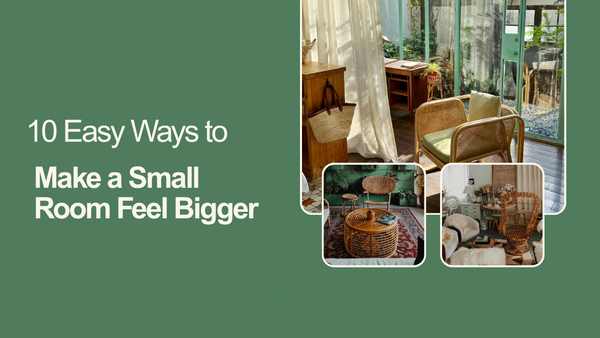
Living in a small room doesn’t mean you have to compromise on comfort or style. Whether you’re dealing with a cozy studio apartment, a compact college dorm, or a tiny bedroom, limited square footage can quickly become overwhelming. When your space feels cramped, your mind often does too.
The good news? You don’t need a bigger renovation budget or a larger apartment to breathe easy again. With a few intentional layout tweaks, clever organization hacks, and a shift in mindset, you can transform your cramped quarters into a relaxing, functional oasis.
Let’s dive into some practical, budget-friendly ways to maximize your space and make your small room feel significantly larger.
Why Small Rooms Feel Cluttered (It’s Not Just the Size!)
More often than not, a room feels crowded not because it lacks physical space, but because of how that space is being utilized.
Some of the most common culprits include:
- The “Just in Case” Hoarding: Keeping items you haven’t touched in a year.
- Oversized Furniture: Pieces that swallow up the entire floor plan.
- Visual Noise: Too many knick-knacks or loose cables exposed on surfaces.
- Poor Lighting: Shadows and dark corners that make walls feel like they are closing in.
Fortunately, every single one of these problems has a simple, actionable fix.
10 Practical Steps to Maximize Your Space
1. The Ruthless Declutter (Before You Buy Anything)
It is tempting to run to the store and buy cute storage bins as a first step. Don’t do it yet. Buying storage for things you don’t need just creates organized clutter.
Before spending a dime, sort through your belongings and ask yourself:
- Have I used this in the last six months?
- Does this item bring me joy or serve a real purpose?
- If it broke, would I replace it immediately?
If the answer is no, it’s time to donate, recycle, or toss it. Fewer belongings instantly mean more breathing room.
2. Think Upwards: Maximize Your Vertical Space
When floor space is limited, look at your walls. We often leave the top two-thirds of a room completely empty while crowding the floor.
Try incorporating:
- Floating Shelves: Excellent for books or decor without taking up floor space.
- Wall Hooks: Perfect for coats, bags, or even hats.
- Over-the-Door Organizers: Hide your shoes, toiletries, or cleaning supplies behind the door.
Moving items off the floor draws the eye upward, making the ceiling feel higher than it actually is.
3. Keep Furniture Proportional and Multi-Functional
A massive, plush sofa or a giant king-sized bed can swallow a small room whole. When living in limited space, look for “low-profile” furniture with clean lines.
Even better, look for furniture that pulls double duty:
- An ottoman that opens up to store blankets.
- A bed frame with built-in drawers.
- A drop-leaf desk that folds flat against the wall when you’re done working.
Pro Tip: Look for furniture with exposed legs. Being able to see the floor underneath a bed or sofa creates the illusion of more openness and light.
4. Guard Your Everyday Surfaces
Your desk, nightstand, and dresser should not be a landing pad for mail, keys, and random items. Flat surfaces act like clutter magnets—once one thing is left there, more will follow.
Make it a rule to keep only the absolute essentials on display. Store everything else inside drawers or bins. A completely clear tabletop instantly gives the room a clean, serene vibe.
5. Cheat the Eye with Better Lighting
Dark rooms always feel smaller. To counteract this, let in as much natural light as possible during the day by using sheer, lightweight curtains.
For the evening, avoid relying solely on a single, harsh overhead light. Layer your lighting instead:
- Place a warm LED desk lamp in a dark corner.
- Use a slim floor lamp to throw light upward against the ceiling.
- Add stick-on puck lights under shelves.
6. Tame the Cable Monster
Nothing ruins a clean room faster than a tangled birds-nest of charging cables, extension cords, and power strips. This is called visual clutter—even if the room is clean, your brain perceives wires as a mess.
Use simple zip-ties, velcro straps, or a dedicated cable management box to tuck cords out of sight. Keeping your workspace cord-free makes an incredible difference.
7. Unleash the Power of Under-Bed Storage
The space under your bed is a goldmine for small-room living, but it shouldn’t be a chaotic dumping ground.
Invest in shallow, clear plastic bins with wheels or zippered fabric containers. This is the perfect spot to rotate and hide:
- Out-of-season clothing (like heavy winter coats in summer).
- Extra bed sheets and pillows.
- Shoes you don’t wear every day.
8. Create Distinct “Zones”
When you live, work, and sleep in one room, the boundaries blur, making the space feel chaotic. Try creating psychological boundaries, even if they are just a few feet apart.
- The Sleep Zone: Keep your bed strictly for resting (no laptops or work papers allowed).
- The Work Zone: A designated corner with a desk and chair facing away from the bed.
- The Lounge Zone: A small rug and a cozy chair for reading.
Segmenting your room makes it feel like a multi-room apartment rather than a single cramped box.
9. Embrace a Lighter Color Palette
Dark colors can be incredibly cozy, but they also absorb light, making walls feel closer. If you want to maximize the sense of space, opt for light, reflective colors on your walls, bedding, and large furniture.
Think shades of:
- Crisp white or cream
- Soft, warm beiges
- Light grays
- Pastel blues or muted greens
You can always add pops of your favorite darker or brighter colors through smaller accents like throw pillows or artwork.
10. The 10-Minute Weekly Reset
The hardest part of organizing a small room isn’t doing it the first time—it’s maintaining it. In a small space, it only takes two or three misplaced items to make the entire room look like a disaster zone.
Set a timer for just 10 minutes every Sunday. Use this time to:
- Put clothes back in the closet.
- Take empty mugs/glasses to the kitchen.
- Wipe down your desk and nightstand.
This tiny habit prevents the clutter from snowballing and keeps your sanctuary peaceful.
Quick Wins for Immediate Relief
If you are looking at your room right now and feeling overwhelmed, just pick three of these things to do today:
- Clear everything off your desk except your computer and a lamp.
- Gather all loose charging cords and tie them neatly together.
- Hide shoes and bulky jackets inside the closet or under the bed.
Final Thoughts
At the end of the day, a comfortable room isn’t defined by its square footage; it is defined by how it makes you feel. A home should be a place where you can decompress, not a source of stress.
Instead of wishing for more space, start making the most of the space you have. By removing the excess and being intentional with your layout, you’ll find that your small room has more than enough potential to be your favorite place to be.
💬 Over to You!
What is the biggest space-wasting culprit in your room right now? Is it the closet, the desk, or that one chair covered in clothes? Let us know in the comments below!
Q1. How can I make a small room feel bigger?
Removing clutter, improving lighting, and using vertical storage can make a small room appear larger.
Q2. What colors make a small room look bigger?
Light colors such as white, beige, and light gray reflect more light and create a spacious appearance.
Q3. How often should I declutter a small room?
A quick weekly cleanup and a deeper monthly decluttering session usually keeps a small room organized.
Q4. Does furniture size matter in a small room?
Yes. Oversized furniture can make a room feel crowded. Choose furniture that fits your available space.